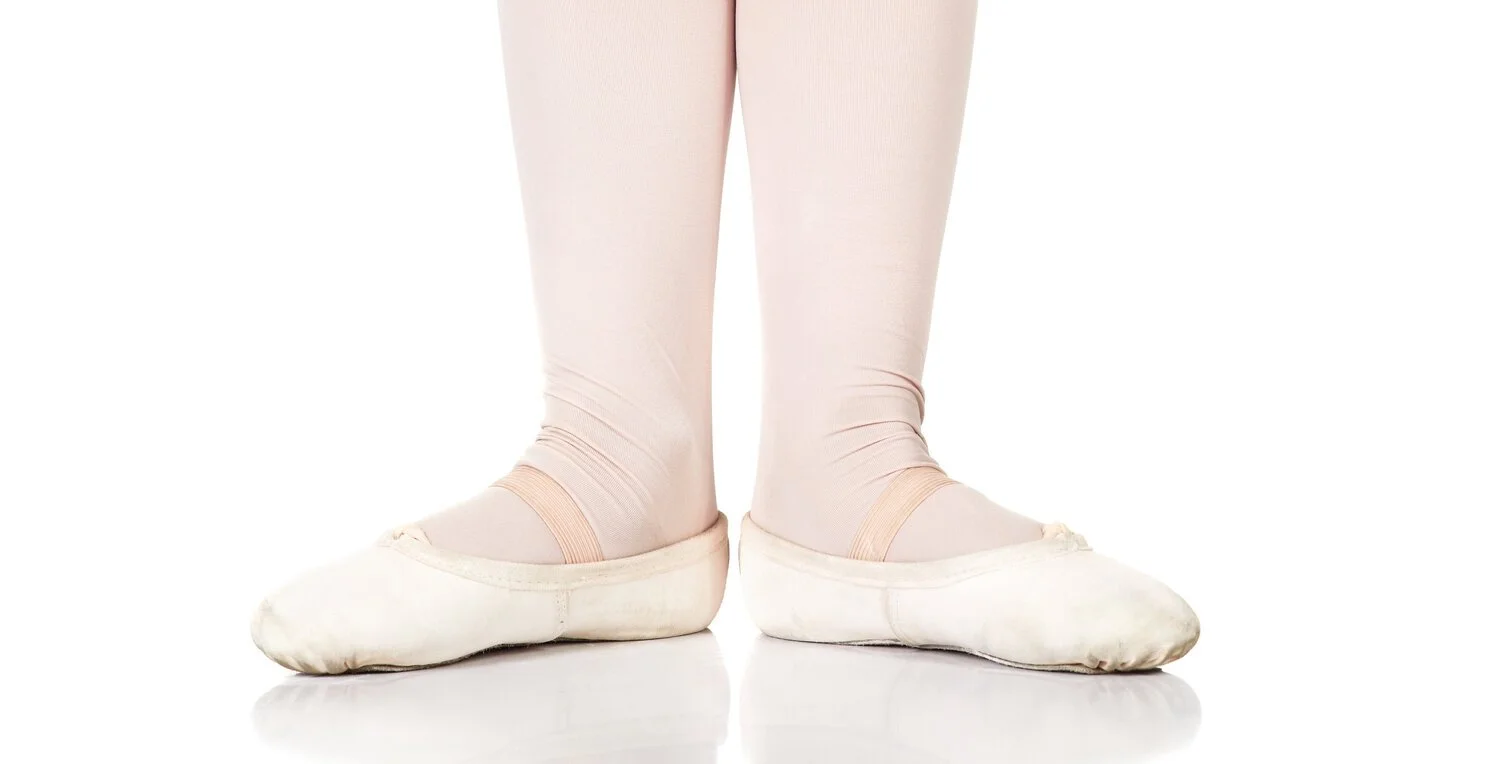
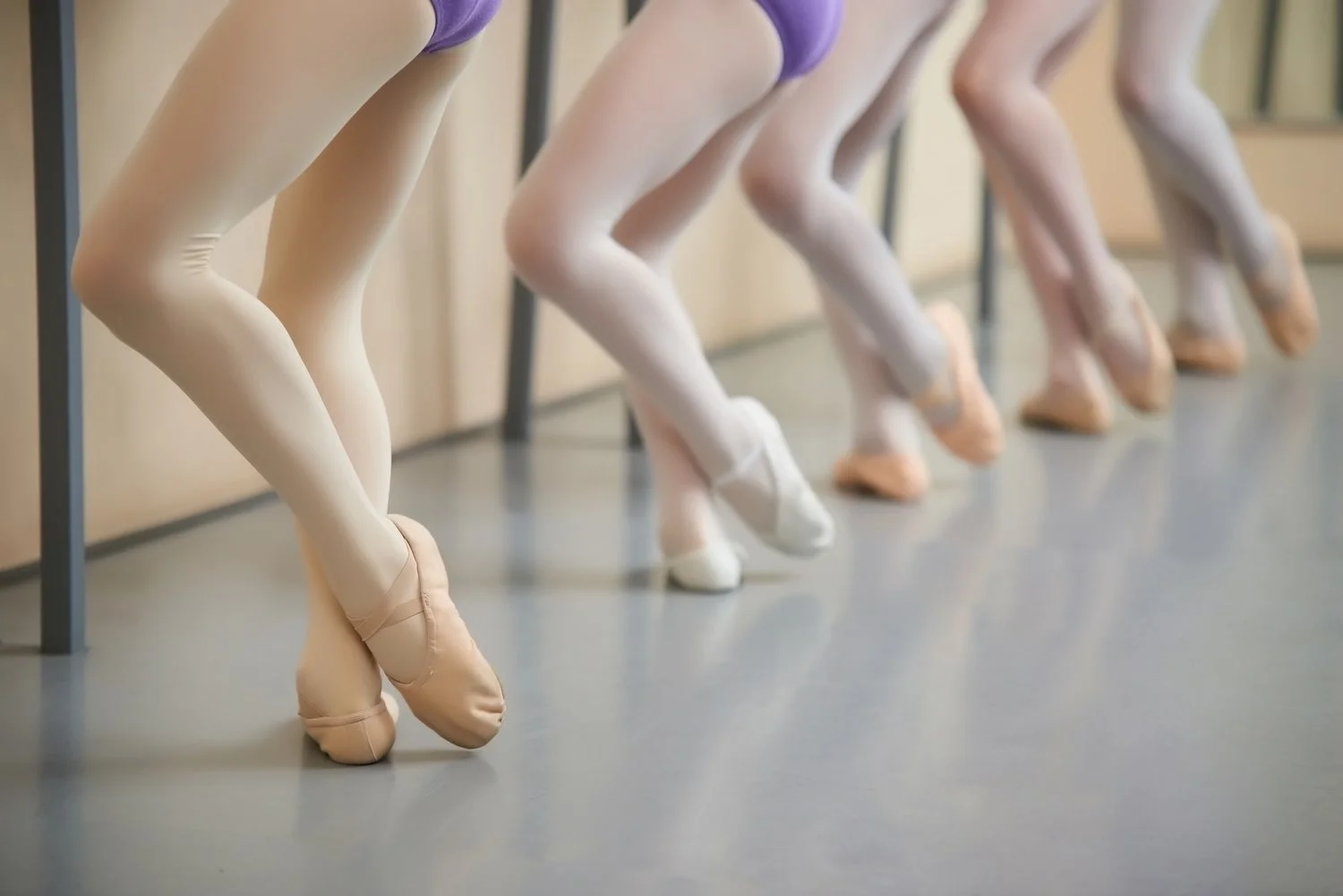
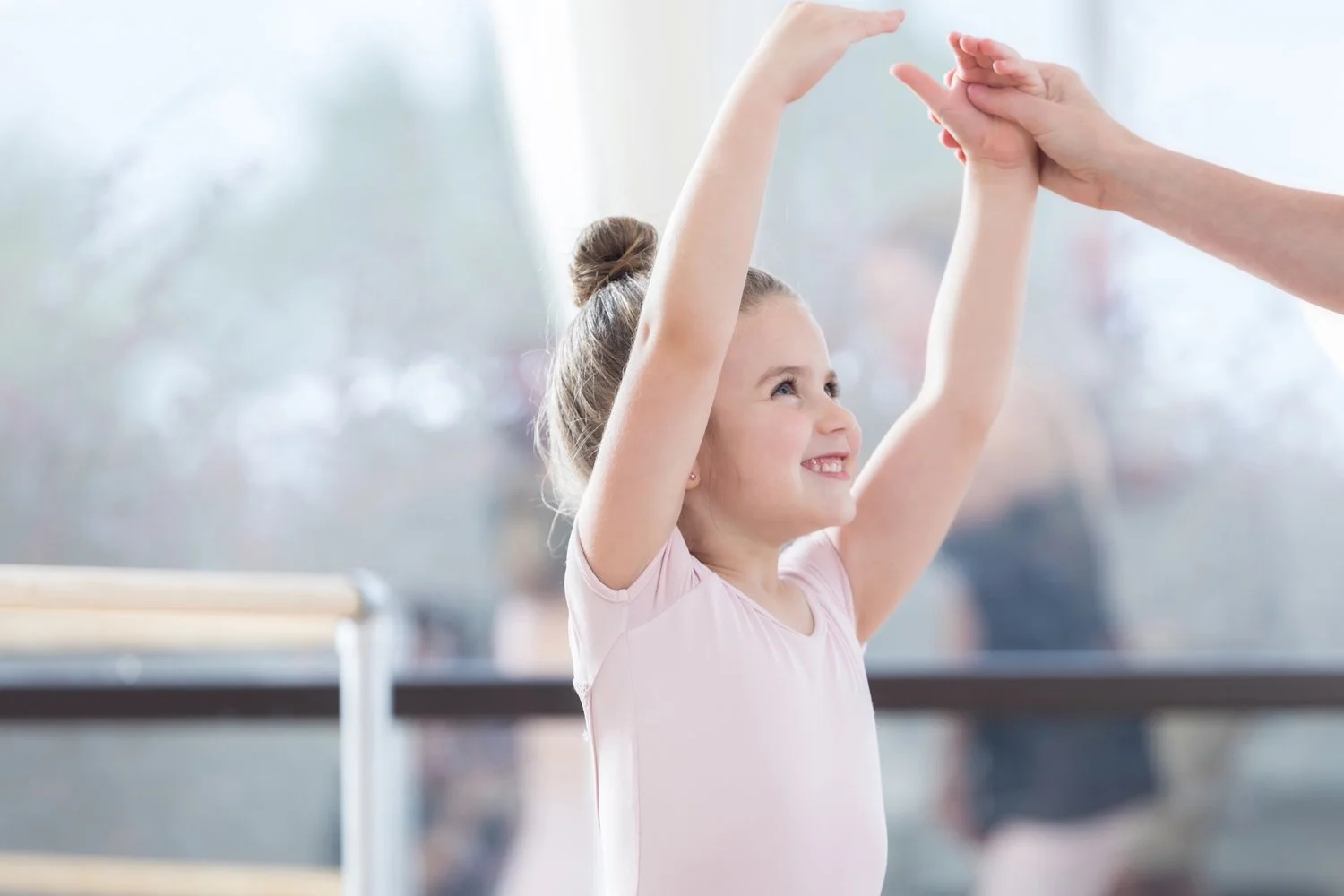
When it comes to teaching turnout (to any age), there are some tried and true tips you should always think about. But when it comes to teaching turnout to young children, there are a few more things you should be thinking about.
Read More
When it comes to teaching turnout (to any age), there are some tried and true tips you should always think about. But when it comes to teaching turnout to young children, there are a few more things you should be thinking about.
Read MoreBy the age of 7, children have much better control and awareness of their bodies. We also work much more on turnout, especially turning out correctly and safely at this age. Because of this, we work more on a turned out retiré.
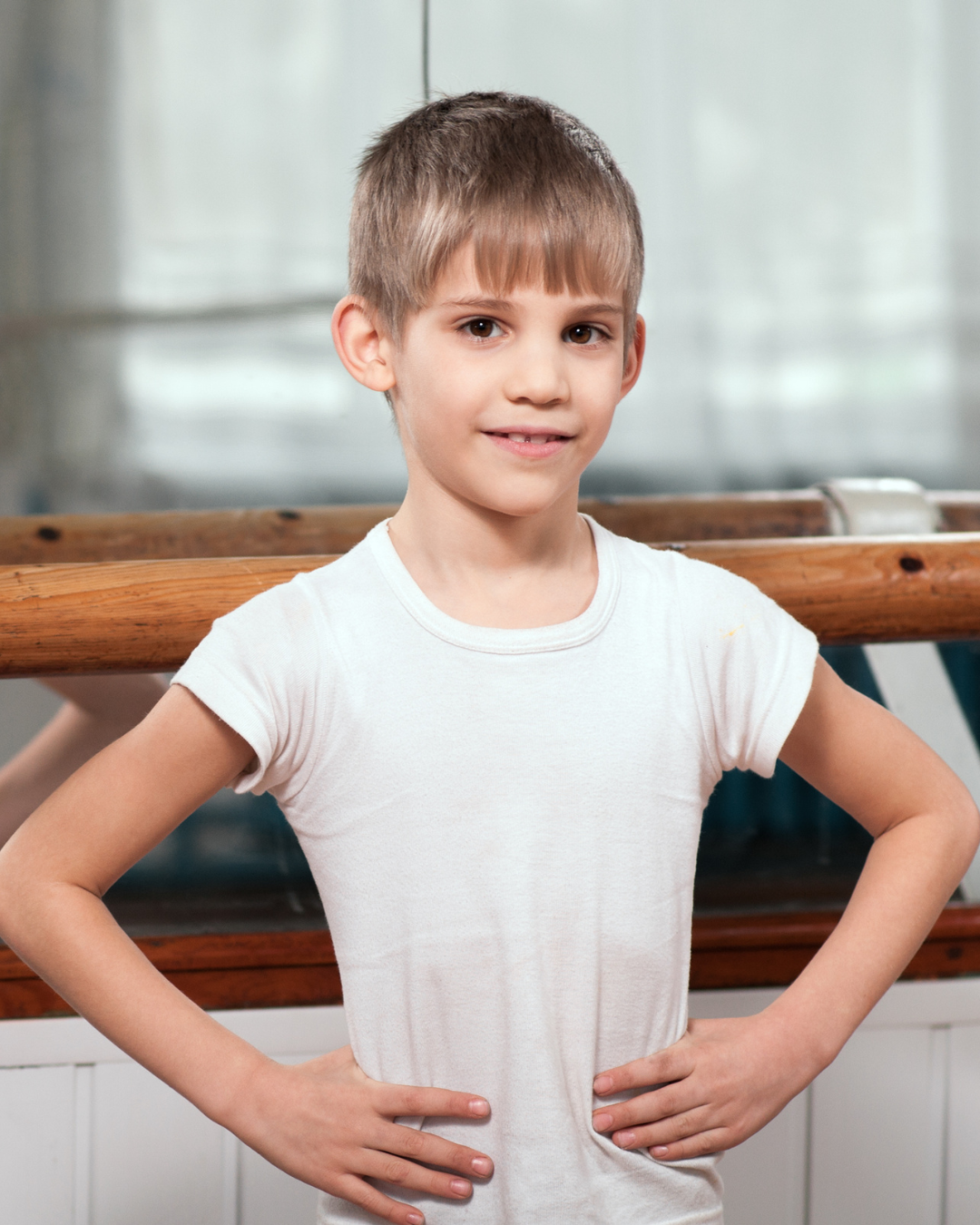
Read MoreToday, I bought my oldest son, Hudson, ballet shoes. I was trying so hard to contain my excitement. Being a boy mama, I knew my chances of buying any of my kids a pair of ballet shoes were slim.
Read MoreWhen we teach ballet though stories, we immediately open up a new world for our students. The way ballet is often taught is like watching a silent, black and white movie from the 1920s. Teach through stories, and it’s suddenly like watching in 4K color.
Read MoreWhen I set out to create our 7-12 year old curriculum, the OUB Story Ballet Curriculum my biggest struggle was not having everyone’s students in front of me. Not knowing how long your classes would be or how many times per week your students are taking ballet.
Read MorePreviously, I talked about why your dance studio’s brand is important for growing your business. But what exactly is your brand?
It does comprise your logo, and the fonts and colors you use. Visual design is important, of course!
Read MoreWhen you understand child development, so many things change in your classes. First, you'll see your young students differently. I can remember when I first started teaching preschoolers. I THOUGHT my students would stand in lines, wait their turns, and work hard just like my older students had.
Read MoreWe focus a lot on posture in Once Upon A Ballet even from early on. Posture is important in the early years to promote good habits in the future. We focus on students’ posture mostly during the more technical portions of class like centre barre or barre, centre allegro, and traveling exercises.
Read MoreWhen it comes to teaching turnout in ballet, there are many schools of thought on when to begin teaching turnout, how much turnout a student should be able to maintain while dancing, and when to introduce what positions.
Read MoreAccording to Forbes, ballet can in fact make you a better leader. I love the reasons they cite. Here are the reasons that make their list.
Read MoreClassroom etiquette may vary slightly from school to school and from teacher to teacher. To me, classroom etiquette is basically how students are supposed to behave in a ballet class.
Read MoreMany ballet schools have a set time every month, session, or semester, in which they invite parents into the classroom to watch their child dancing.
Read MoreSkips can be a rather difficult for some students to master. Even after a child grasps the coordination of a skip, the technical aspects can be difficult.
Read MoreWe've all seen it. It's recital time, and it's time for a group of little ones to line up and curtsy. (Of course, boys will bow, but for the sake of simplicity we will say curtsy in this post.) Regardless of whether they are pointing one foot front or crossing one leg in back to curtsy, it always seems in disarray.
Read MoreThere are many schools of thought on turnout in ballet. At Once Upon A Ballet, we recommend the degree of turnout progresses according to each student’s ability and age.
Read MoreLast week, we discussed some ways to help you manage your pre-ballet classes. This week we'll continue our discussion with a few more tips.
Read MoreToday, we continue our discussion on using props effectively in ballet class. Here are a few more tips for using props, especially in preschool and pre-ballet classes.
Read MoreThe right props can liven up a preschool or pre-ballet class and of course, bring out the creativity in your children. What's more, good dance props can fire up preschoolers to learn faster, and that's great for the class!
Read MoreTwo of the first “real” ballet steps we teach in our preschool ballet classes are plié and tendu. These are also almost always the first two exercises older dancers do at the barre in ballet class.
Read MoreWhy is battement soutenu important? It require a lot of strength, coordination and correct technique. However, it helps to build strength and can help to improve turnout, jumps and relevés.
Read More